
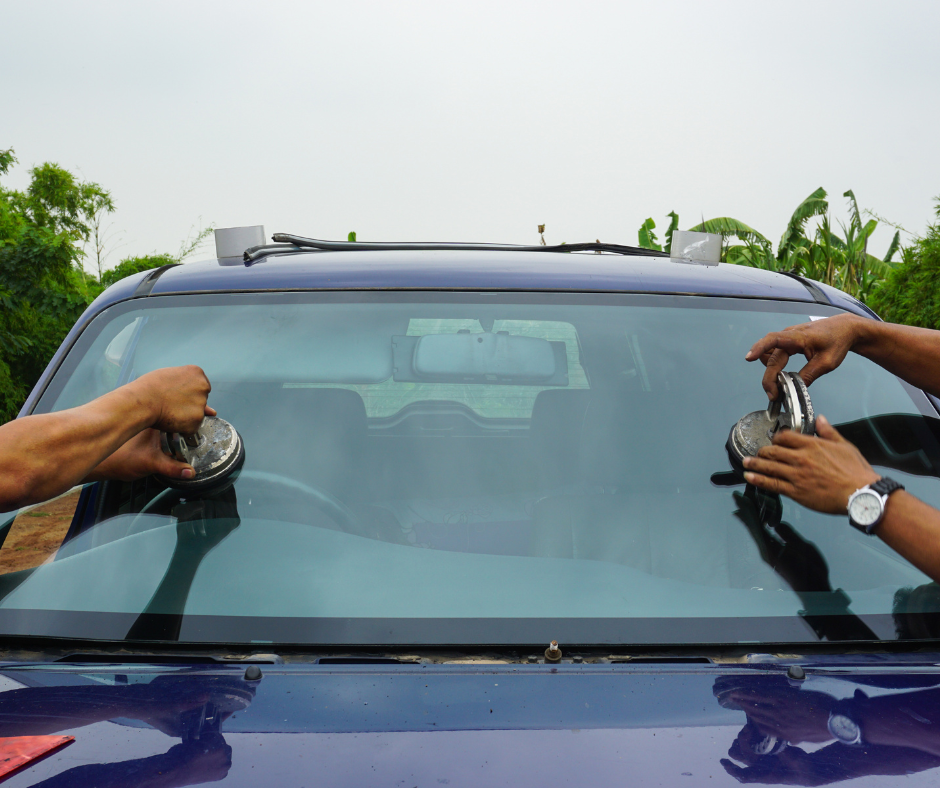
Quick Answer: Newer windshields are built more like electronic components than plain glass. Rain and light sensors, heads-up display layers, heating elements, acoustic interlayers, solar coatings, and camera brackets are added at the factory, and each one raises manufacturing cost, narrows the list of compatible parts, and adds installation time.
 You replaced a windshield on your old pickup years ago and the bill barely registered. Then a rock on Spur 330 cracked the glass on your two-year-old SUV, and the quote made you look twice. That gap is not a markup trick. The glass in front of you has changed more in the last decade than in the fifty years before it. This guide breaks down where the money goes so you can read a quote, compare shops fairly, and decide what is worth paying for.
Why This Matters
- Understanding the price protects you from the wrong part. Drivers who shop only for the lowest number often end up with glass missing a feature their vehicle needs.
- Quotes are only comparable when they include the same glass. One shop may quote a windshield with your heads-up display layer while another quietly leaves it out.
- Your deductible decision depends on the real cost. Knowing what drives the price helps you decide whether to file a claim or pay directly.
- One model year can use many different windshields. Trim levels and option packages change the glass, which is why your neighbor’s price may not apply to you.
What Is Built Into a Modern Windshield
Rain and light sensors
Automatic wipers and headlights rely on an optical sensor pressed against the inside of the glass. The windshield needs a clear sensor window and a mounting bracket bonded in exactly the right spot, and the sensor usually needs a fresh coupling gel pad during replacement. More factory steps mean a more expensive part.
Heads-up display layer
A heads-up display projects speed and navigation onto the glass. To keep that image from appearing doubled, the windshield uses a special interlayer that is thicker at one edge than the other. Standard glass creates a ghosted second image, so these vehicles need the specific part, and it costs more to produce.
Heating elements
Some windshields have a heating grid where the wipers rest, and others have nearly invisible wires or a conductive coating across the surface. These parts include electrical connectors that must survive installation, and they are made in smaller production runs than basic glass.
Acoustic interlayer
A sound-dampening layer between the two sheets of glass reduces wind and road noise. The material itself costs more than a standard interlayer, and automakers use it heavily on trucks and SUVs that are marketed as quiet highway cruisers.
Solar and infrared coatings
Thin metallic layers reflect heat and keep a car parked in a Baytown lot cooler. Those same layers can block radio signals, so automakers leave an uncoated patch near the mirror for toll tags. Coated glass costs more to make, and the correct uncoated zone has to be in the right place.
Camera and sensor brackets
Driver-assist cameras mount to brackets that are bonded at the factory with tight positioning tolerances. The printed black band around the bracket is also designed to shade the camera. Brackets, shading patterns, and optical quality all add to the price.
Why Labor Costs More on Newer Vehicles Too
- Bigger, more steeply angled glass is heavier and harder to position precisely, often requiring two technicians or setting tools.
- More parts come off the car. Cowl panels, pillar trim, mirror covers, and sensor housings are removed and reinstalled, and many use single-use clips that must be replaced.
- Vehicle-specific moldings are frequently designed for one-time installation and cannot be reused.
- Sensors and cameras must be transferred carefully so they work correctly on the new glass.
- Camera systems usually need recalibration after replacement so they aim correctly. We cover why in our guide to ADAS calibration in windshield replacements.
What Moves Your Quote Up or Down
- Your exact feature list: Each sensor, coating, or display layer can push the price higher.
- OEM vs aftermarket glass: Manufacturer glass typically costs more, and it is often the right choice for camera-equipped vehicles. Our auto glass services include manufacturer-specific options.
- Molding and clip requirements: Some vehicles need a new molding kit every time.
- Glass availability: Popular trucks tend to have more supply than low-volume imports.
- Your insurance deductible: It determines what you actually pay if the work goes through comprehensive coverage.
As a rough frame of reference, a basic windshield for an older sedan often lands in the few-hundred-dollar range. A newer truck or luxury SUV with a heads-up display and a full sensor package can run well past $1,000 before any add-on services. Your VIN is what turns that range into a real number.
When Paying More Makes Sense and When It Does Not
Pay for the matching glass when your vehicle has a heads-up display, a windshield-mounted camera, or rain-sensing wipers. The cheaper part will not support those features correctly.
Save money when the damage is still a small chip. A windshield chip repair costs a fraction of replacement and keeps your factory glass in place.
Question the quote when the price is dramatically lower than others for the same vehicle. Ask what glass, moldings, and sensor parts are included before you book.
Common Mistakes That Make Windshield Replacement Cost More
- Getting quotes without a VIN. Shops guessing at your options may quote the wrong glass. The consequence is a rescheduled appointment when the part does not match.
- Choosing a quote that leaves out moldings or clips. The low number becomes a higher bill once the missing parts are added, or the trim rattles later.
- Accepting glass without the heads-up display layer. The display ghosts, and the only fix is buying a second windshield.
- Letting a toll tag end up on coated glass. An EZ TAG or TxTag stuck outside the uncoated zone may not read reliably, which can lead to toll billing hassles.
- Guessing about insurance. Some drivers pay out of pocket when comprehensive coverage would have covered most of the cost, while others file when the price is barely above the deductible.
- Replacing with whatever was in the car last time. If a previous shop installed the wrong glass, copying that part number carries the problem forward.
DIY Replacement vs Professional Installer
DIY
- Online glass prices look attractive, but part numbers are easy to get wrong on feature-heavy vehicles.
- Transferring rain sensors and camera brackets without damaging them takes practice and the right tools.
- Broken single-use trim clips often surface only after the old glass is out.
- There is no reliable way at home to confirm driver-assist features work as intended afterward.
Professional installer
- Matches glass to your VIN and verifies features before the job starts
- Includes the moldings, clips, and sensor pads your vehicle requires
- Uses professional urethane and follows proper cure times
- Stands behind the work if a leak, rattle, or sensor issue appears
For feature-packed windshields, DIY savings tend to disappear the first time a part breaks or a sensor stops responding. A professional windshield replacement costs more up front and usually less overall.
How to Get an Accurate Windshield Replacement Cost in Baytown
- Find your VIN on the driver-side dashboard or door jamb sticker.
- Take a photo of the area behind your rearview mirror from outside the vehicle.
- Note any features you use: auto wipers, lane assist, heads-up display, heated wiper area.
- Have your insurance card and deductible amount handy.
- Ask for an itemized quote that lists the glass type and included parts.
Send those details through our free quote request and you will get a price built for your vehicle, not a guess.
Why Choose Joey’s Glass
- Experience: Since 1973, Joey’s Glass has watched windshields evolve from simple laminated panels to sensor-equipped components, and our pricing reflects real parts knowledge. Meet our family-owned company.
- Reliability: Our quotes are itemized and explained, so you know exactly why your windshield costs what it does before any work begins.
- Quality and Technology: We source glass by VIN, provide OEM options for vehicles that need them, and transfer sensors with care.
- Service Area and Coverage: Drivers throughout Baytown, East Houston, EaDo, and surrounding Harris and Chambers County areas can visit 3011 N. Main or ask about mobile service. See our service area.
Call 281-427-4705 or reach out to our team for a clear, honest windshield replacement estimate.
Frequently Asked Questions
Why is my windshield quote higher than my neighbor’s for the same model?
Trim levels and option packages change the glass. Your neighbor’s base model may lack the heated wiper area, rain sensor, or acoustic layer that your vehicle has, and each adds to the part’s price.
Does Texas require insurers to cover windshield replacement with no deductible?
No. Texas does not mandate zero-deductible glass coverage. Some insurers sell optional full glass coverage, so review your policy or ask your agent before the damage happens.
Do electric vehicles have more expensive windshields?
Some do. Certain EVs use unusually large windshields that sweep into the roofline, and many include extensive camera arrays. Others use conventional glass priced like any comparable vehicle.
Will windshield replacement prices come down over time?
That seems unlikely in the near term. Features that were once limited to luxury models are spreading into everyday trucks and sedans, so more drivers are likely to face higher glass costs rather than fewer.
Can I use a cheaper windshield and skip the features I do not use?
You can, but it is rarely a good trade. Missing brackets or sensor windows can leave components with nowhere to mount, trigger dash warnings, and lower resale value, especially if a future buyer expects every factory feature to work.